


EXPLORE
Valle de
Guadalupe
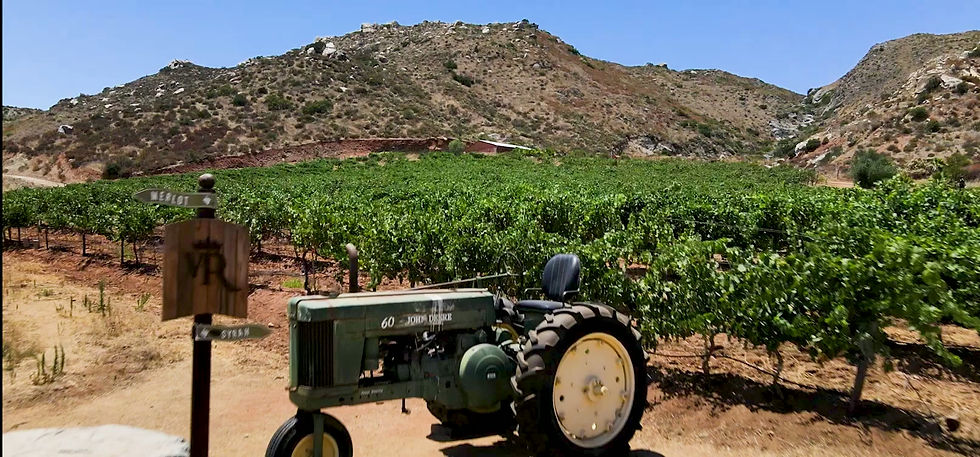
Valle de Guadalupe is the premier wine region of Baja California, offering a perfect blend of wineries, tours, lodging, and outdoor activities for families and travelers of all kinds. Surrounded by vineyards and scenic landscapes, the valley invites visitors to explore world-class wine tastings, family-friendly tours, boutique hotels, and authentic local experiences.
Use this page to discover everything Valle de Guadalupe has to offer—from guided wine tours and unique accommodations to dining, activities, and vineyard visits—designed to help you plan a smooth and memorable trip.


History of Wine in Baja California

Wine production in Baja California is the result of centuries of cultural layering, environmental adaptation, and strategic evolution. The region’s Mediterranean-like climate, diverse soils, and coastal influence have positioned Baja—particularly Valle de Guadalupe—as Mexico’s most important wine-producing zone, responsible for over 70% of the country’s wine output today. The origins of wine in Baja California trace back to Spanish missionaries in the late 17th century, who introduced grapevines to support sacramental needs. Over time, viticulture transitioned from a religious function to an agricultural and commercial endeavor, shaped by waves of migration, technological modernization, and a growing global wine culture. The modern Baja wine industry is defined by independent, family-owned wineries, experimentation with grape varietals, and a strong connection between wine, gastronomy, and tourism. Rather than replicating Old World models, Baja has positioned itself as a flexible, innovation-driven wine region with a strong sense of place and identity. 1697 – Missionary Introduction Jesuit missionaries establish Mission San Javier near Loreto and plant the first known grapevines in Baja California to produce sacramental wine. 1769–1800 – Mission Expansion Franciscan and Dominican missions expand northward, introducing viticulture to areas near present-day Ensenada and laying the agricultural foundations of Valle de Guadalupe. 1800s – Secularization & Decline With the secularization of missions, organized wine production declines. Viticulture survives in small, informal agricultural settings. 1900–1920 – Early Commercial Attempts Russian Molokan settlers in Valle de Guadalupe establish agricultural communities, including grape cultivation, bringing European farming techniques to the region. 1930s–1950s – Industrial Entry Large producers such as Bodegas de Santo Tomás formalize wine production, marking the transition from subsistence farming to commercial winemaking in Baja California. 1970s – Foundational Growth Modern wineries begin investing in technology, vineyard management, and varietal experimentation. Valle de Guadalupe starts to gain national recognition. 1980s–1990s – Boutique Winery Emergence Small, family-owned wineries emerge, focusing on quality over volume. Winemakers begin experimenting with Cabernet Sauvignon, Nebbiolo, Tempranillo, and blends suited to Baja’s climate. Early 2000s – Wine Tourism Development Wine routes, tasting rooms, and culinary collaborations expand. Valle de Guadalupe becomes integrated into Baja’s broader tourism strategy. 2010–2015 – Global Recognition Baja California wines gain international awards and media attention. The region becomes synonymous with Mexican fine wine and gastronomy. 2016–2020 – Experiential & Sustainable Focus Wineries invest in sustainable practices, architectural design, and immersive visitor experiences, strengthening the link between wine, culture, and lifestyle travel. 2021–Present – Consolidation & Innovation Baja wine continues to mature as a global destination, balancing growth with sustainability, water management, and long-term regional planning while maintaining its independent spirit.
Upcoming Events ✨
Click HERE to promote your upcoming event.


Event Title
Event Time
Event Date
Change the event description to include your own content. Adjust the settings to customize the style.

May 2026